Photo: Chinese Mountains
Mount Qingcheng
Qing Cheng Shan
The birthplace of Daoism, a deeply tranquil forest mountain near Chengdu
About Mount Qingcheng
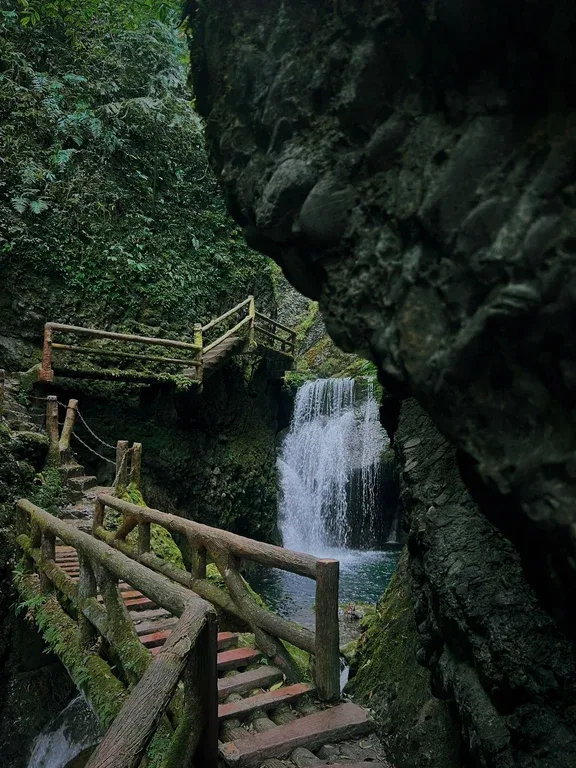
Mount Qingcheng (Qingchengshan), located just 68 kilometers west of Chengdu in Sichuan Province, is one of the most historically significant mountains in China — and one of the most serene. In 142 AD, the philosopher Zhang Daoling founded the Way of the Celestial Masters here, establishing Daoism as an organized religion for the first time. This makes Qingcheng one of the birthplaces of Daoism itself, and the mountain has been a center of Daoist practice and study for nearly 1,900 years. The name means 'Misty Green City,' and it is earned: the mountain is blanketed in dense, humid forest where stone paths wind between ancient cypress and nanmu trees, their trunks wrapped in moss and vines. The air is cool and damp, even in summer, and the quiet is profound — broken only by bird calls, the sound of streams, and the occasional temple bell. The front mountain (Qianshan) is the historical and cultural heart, with over a dozen Daoist temples connected by stone paths and staircases. The route to the summit at Laojun Pavilion (1,260m) takes approximately 2-3 hours and passes the Jianfu Temple, the Tianshi Cave (Celestial Master's Cave), and Shangqing Palace. Each temple is integrated into the landscape rather than imposed upon it — Daoist architecture's principle of harmony with nature is on full display. The back mountain (Houshan) is wilder, with waterfalls, swimming holes, and fewer tourists. Qingcheng was designated a UNESCO World Heritage Site in 2000 alongside the nearby Dujiangyan irrigation system. The mountain is an easy day trip from Chengdu (1.5 hours by bus or car), making it one of the most accessible sacred mountains in China. Spring and autumn offer the best weather, while summer's humidity creates the most atmospheric mist effects.
Mountain Facts
Cultural Significance
The birthplace of religious Daoism (Taoism). Zhang Daoling founded the Way of the Celestial Masters here in 142 CE.
Highlights
- • Jianfu Temple
- • Tianshi Cave (Celestial Master's Cave)
- • Shangqing Palace
- • Laoyin Pavilion
- • Front Mountain trails
When to Go
March-May and September-October are ideal: 12-25 C, the famous 'green city' at its freshest, and manageable crowds. Summer (June-August) is the busy season — the front mountain trails and the cable car queues fill with domestic tourists escaping Chengdu's heat, and afternoon storms are common; mornings are best. Autumn (September-November) delivers the clearest air and the photogenic golden ginkgo trees in the temple courtyards. Winter (December-February) is quiet and mild (0-12 C), with occasional snow dusting the green roofs — the most peaceful time to experience the Daoist temples. The rear mountain (Hou Shan) is less developed and emptier in all seasons, with 5-6 hour hiking circuits. The annual Daoist festival on the 3rd lunar month celebrates Zhang Daoling's founding of the Celestial Masters school.
How to Get There
By Air: Fly to Chengdu Tianfu or Shuangliu International Airport, then take the Chengdu metro line 2 to Xipu, the Chengdu-Guanxian intercity train to Qingchengshan Station (about 30 minutes from Chengdu city center), then a 10-minute bus or taxi to the front gate. By High-Speed Train: The Chengdu-Qingchengshan intercity line runs from Chengdu Xipu Station every 30-40 minutes (CNY 15); Qingchengshan Station is at the mountain's foot. By Road: Buses from Chengdu Chadianzi and Xinnanmen stations reach Dujiangyan city (1h), from where bus 101 continues to Qingcheng. Combine the visit with the nearby Dujiangyan irrigation system (30 min away) — together they form one UNESCO World Heritage property (2000). Entry Fee: Front mountain CNY 80; rear mountain CNY 20; cable car CNY 60 one way.
Frequently Asked Questions
Is Mount Qingcheng worth visiting? +
What is the best time to visit Mount Qingcheng? +
How do I get to Mount Qingcheng? +
How difficult is hiking Mount Qingcheng? +
What should I bring for Mount Qingcheng? +
You May Also Like
Mount Everest
Qomolangma · Tibet
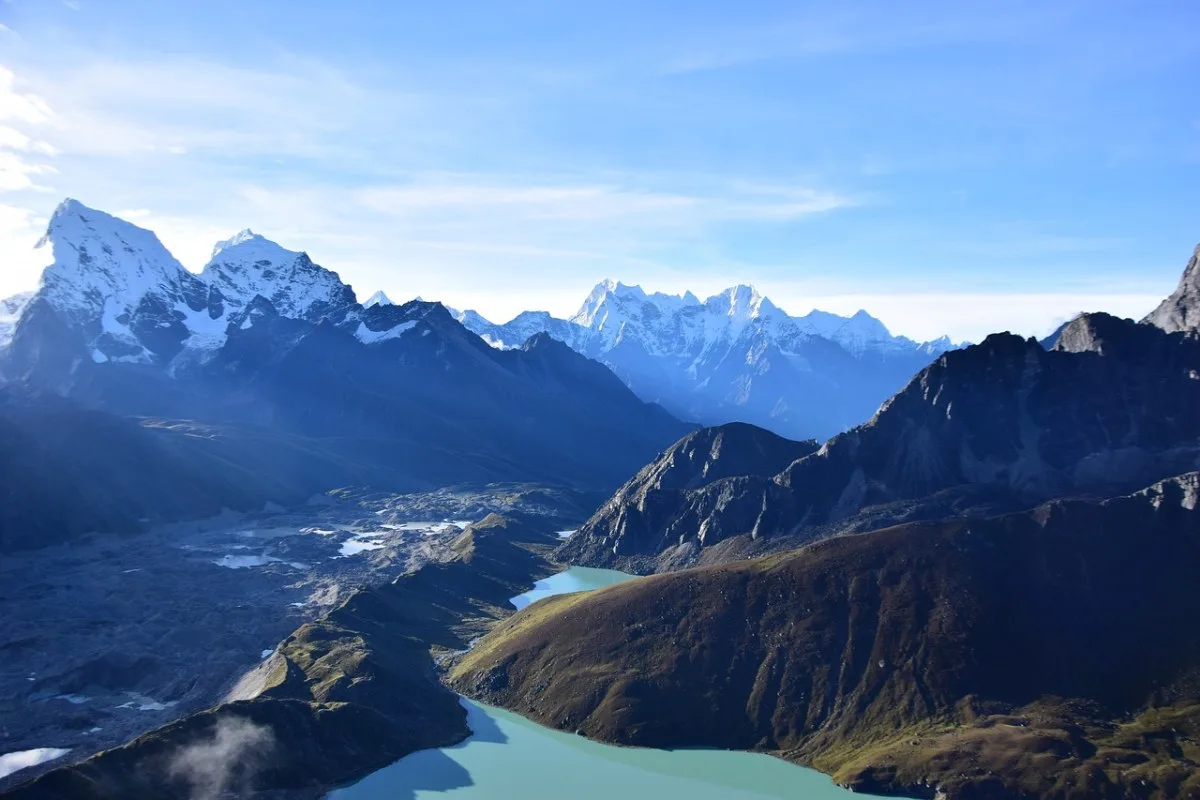
The roof of the world — stand at the foot of Earth's highest mountain
Meili Snow Mountain
Meili Snow Mountain · Yunnan
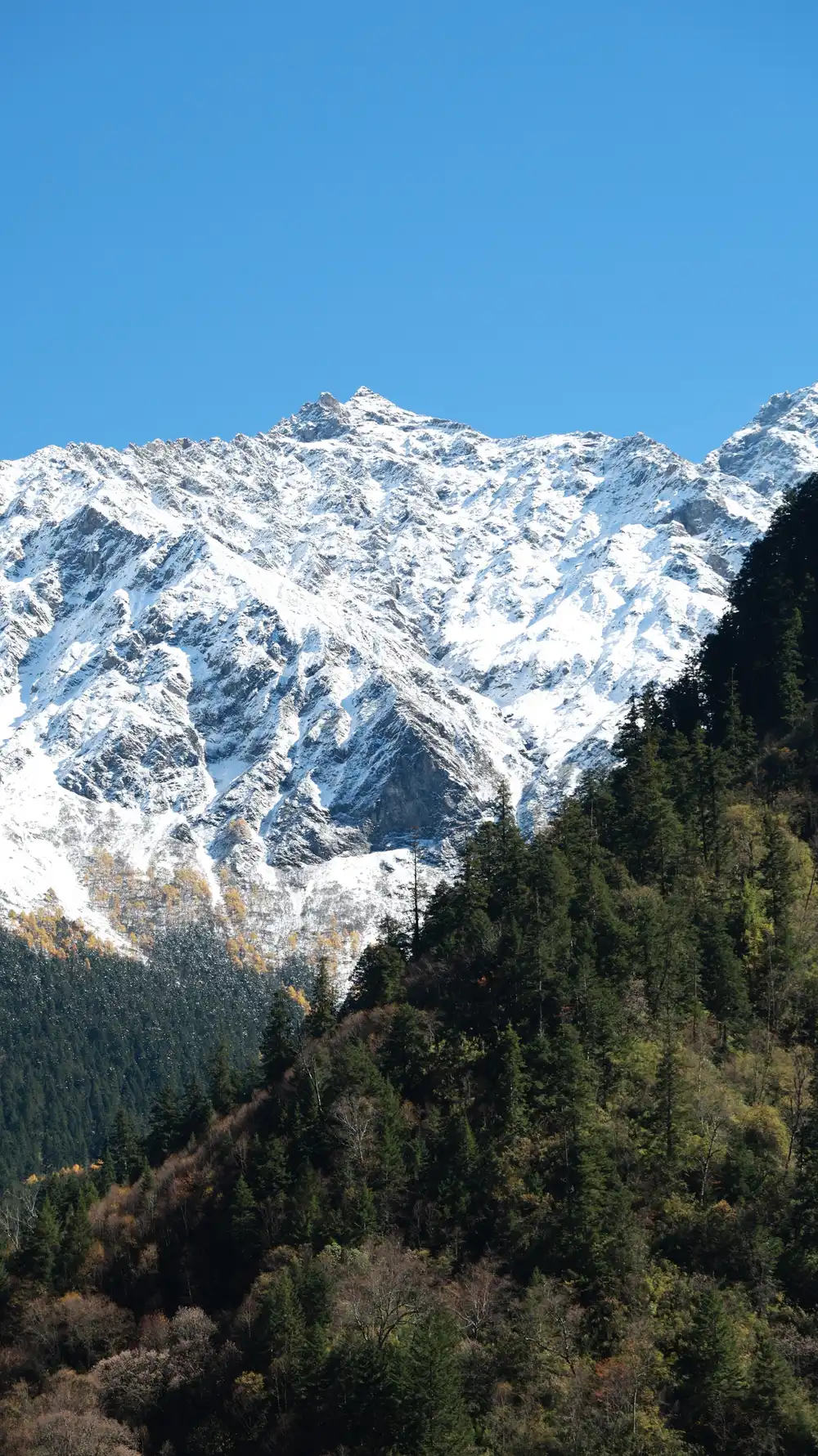
The sacred unconquered peak — 13 snow summits above a Tibetan valley
Mount Gongga
Gong Ga Shan · Sichuan
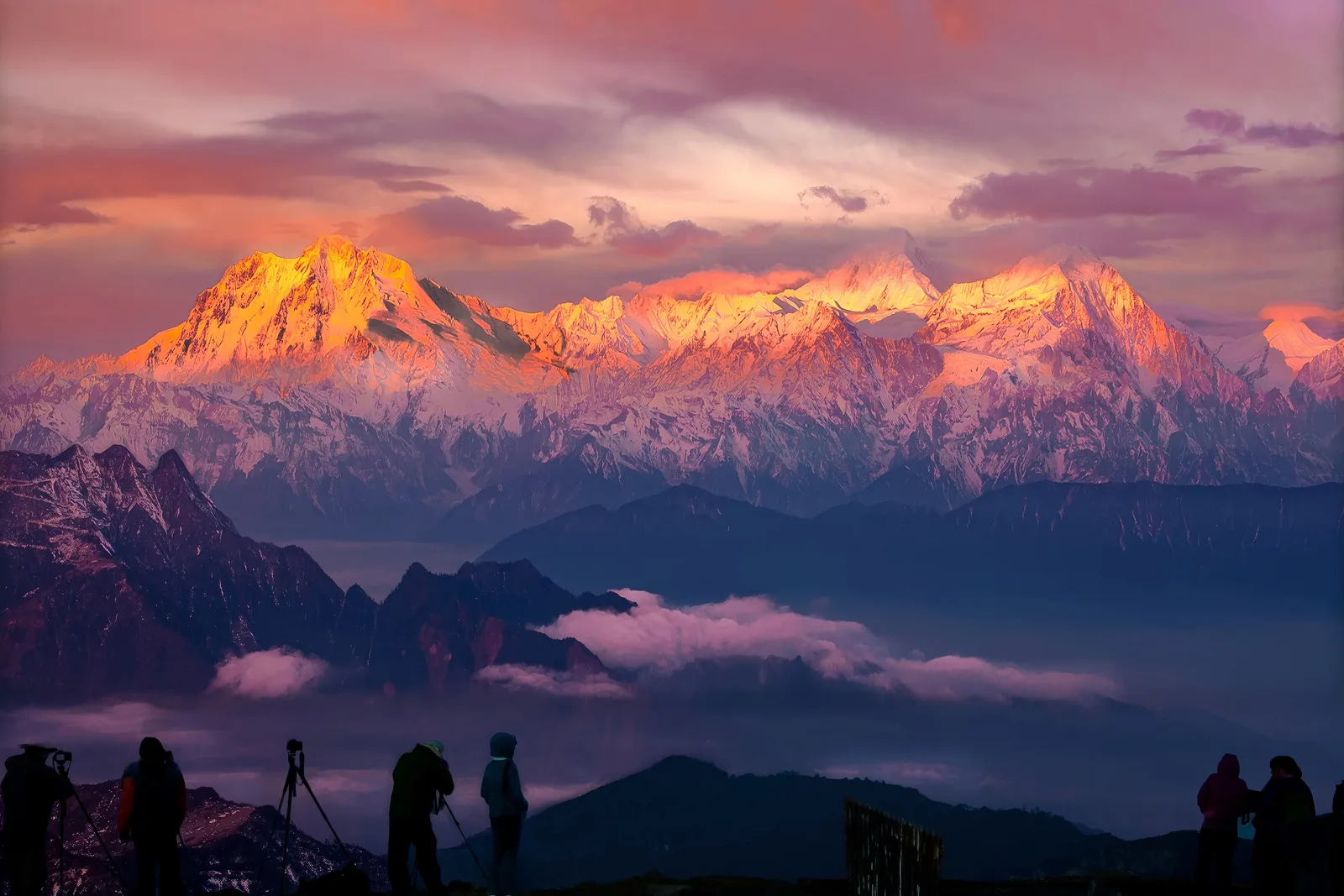
The King of Sichuan mountains — 7,556m of alpine majesty