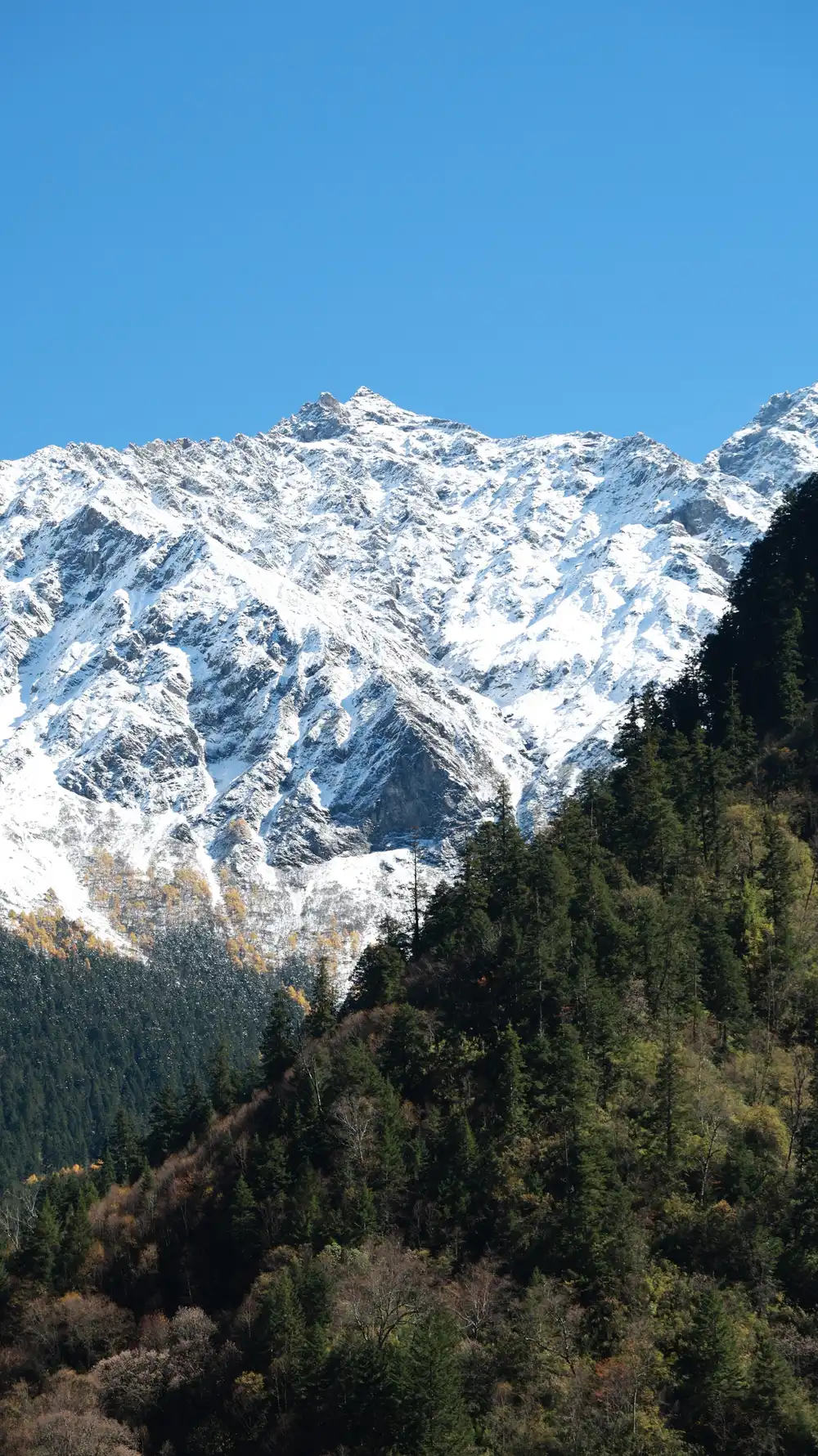
Photo: Pexels
Meili Snow Mountain
Meili Snow Mountain
The sacred unconquered peak — 13 snow summits above a Tibetan valley
About Meili Snow Mountain
Meili Snow Mountain (Meili Xueshan), located on the border of Yunnan Province and Tibet, is one of the most sacred mountains in Tibetan Buddhism and one of the most beautiful — yet unconquered — peaks on Earth. The massif's highest summit, Kawagarbo, rises to 6,740 meters and has never been summited. A joint Chinese-Japanese expedition attempted it in 1991, and all 17 members perished in an avalanche. Since then, the Chinese government has banned climbing on Kawagarbo, respecting both the extreme danger and Tibetan Buddhist beliefs that the mountain is the home of a warrior god. What makes Meili special is its visual drama: thirteen snow peaks above 6,000m rise in a single ridgeline, and the sunrise view from Feilai Temple — when the first light hits Kawagarbo's summit and cascades down the ice in shades of gold, rose, and amber — is one of the most sublime sights in world mountaineering. Photographers and pilgrims alike gather at Feilai Temple each morning, wrapped in blankets in the pre-dawn cold, hoping for the 'Golden Mountain' effect that occurs on clear days. The mountain is visible only about 60-80 days per year; the rest of the time it hides behind clouds, making a clear sighting feel like a blessing. The best viewing is October through December, when the monsoon has cleared and winter snows have not yet closed the high passes. Meili is not a peak you climb — it is a peak you witness, and that is precisely its power.
Mountain Facts
Cultural Significance
Kawagarbo is one of Tibetan Buddhism's most sacred mountains. Never been summited. Climbing is now banned.
Highlights
- • Kawagarbo sunrise from Feilai Temple
- • Yubeng Village trekking
- • Mingyong Glacier
- • The kora pilgrimage circuit
- • Thirteen peaks panorama
When to Go
October to January is the golden window. From mid-October the monsoon finally retreats, giving the highest probability of seeing the full 13-peak ridge of Meili Snow Mountain, including the golden sunrise on Kawagarbo (6,740m) — visible on roughly 60-80 days per year, most reliably November-December. May-June brings rhododendron blooms in the valleys and moderate weather, but the summits stay cloud-wrapped most days. July-September is the monsoon: expect rain, mud on the Yubeng trails, and the peak hidden 80%+ of the time, though this is when waterfalls and forests are most lush. February-April can be clear but bitterly cold at altitude, with snow on the trails. Always budget 2-3 days at Feilai Temple to maximize your sunrise odds.
How to Get There
By Air: Fly to Diqing Shangri-La Airport (DIG) — direct flights from Kunming (1h), Chengdu, and Chongqing. From Shangri-La city, buses to Deqin County (Feilai Temple stop) run daily and take 4-5 hours (CNY 60-80). By Bus: From Kunming, night buses reach Deqin in 12-14 hours. From Lijiang, buses via Shangri-La take a full day. Getting to Feilai Temple: The viewing platform at Feilai Temple is 10 minutes walk from the Deqin bus stop; most travelers stay in the hotels strung along the highway here for sunrise views. Yubeng Village: From Xidang (2h drive from Feilai), hike 4-6 hours or take a donkey up to Upper Yubeng. The trek through Yubeng valley to the glacier viewpoints is the classic multi-day hike. Entry Fee: CNY 150 (seasonal); the Yubeng valley area charges a separate environmental fee.
Frequently Asked Questions
Is Meili Snow Mountain worth visiting? +
What is the best time to visit Meili Snow Mountain? +
How do I get to Meili Snow Mountain? +
How difficult is hiking Meili Snow Mountain? +
What should I bring for Meili Snow Mountain? +
You May Also Like
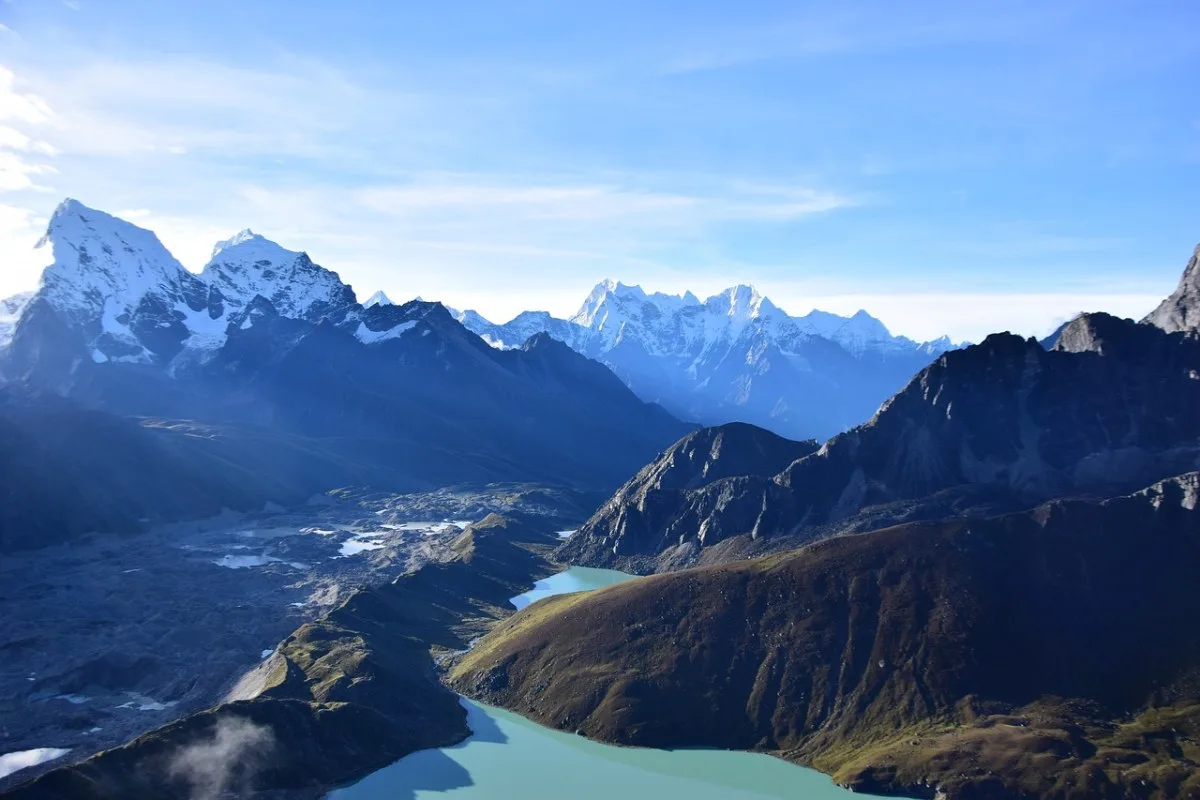
Mount Everest
Qomolangma · Tibet
The roof of the world — stand at the foot of Earth's highest mountain
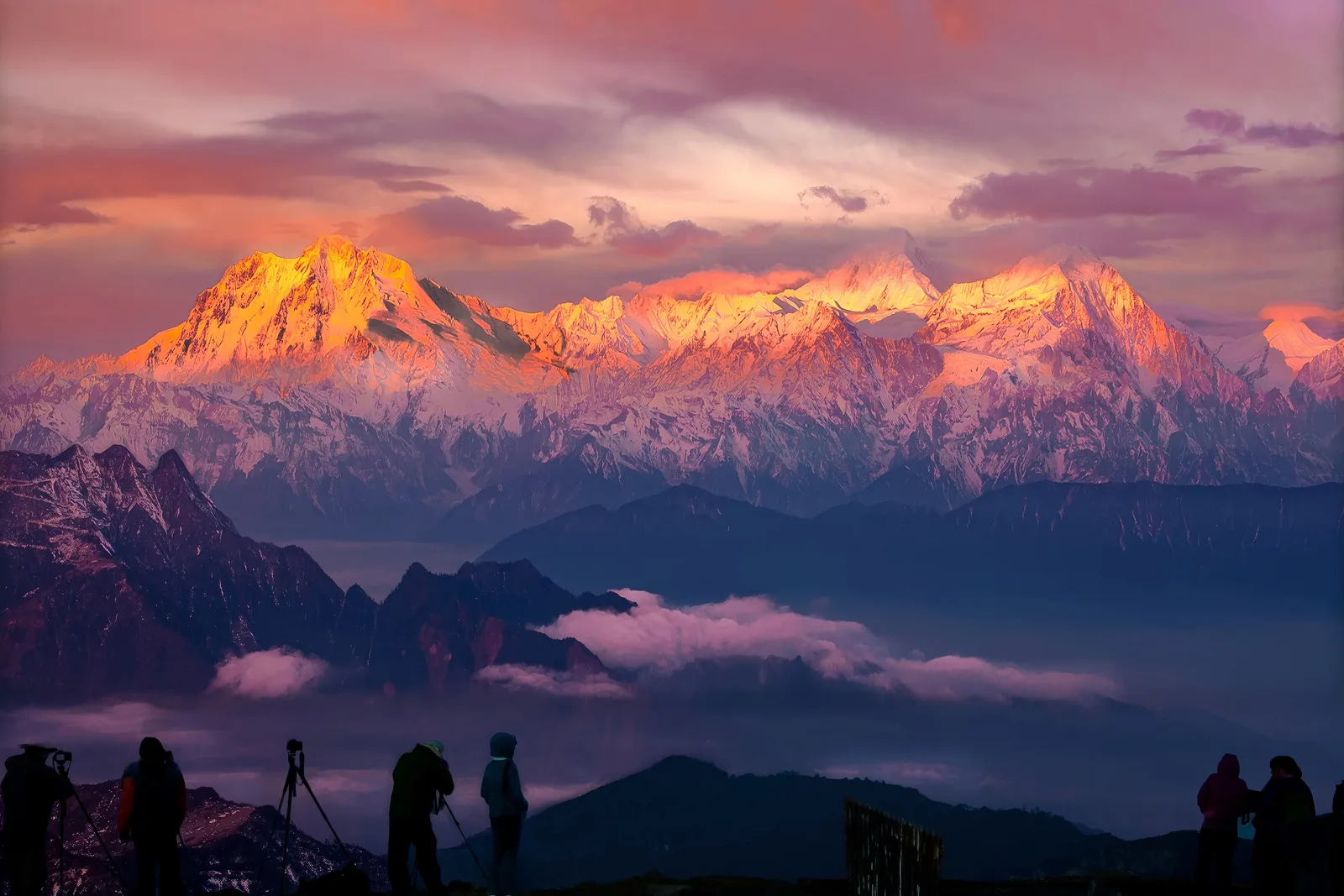
Mount Gongga
Gong Ga Shan · Sichuan
The King of Sichuan mountains — 7,556m of alpine majesty
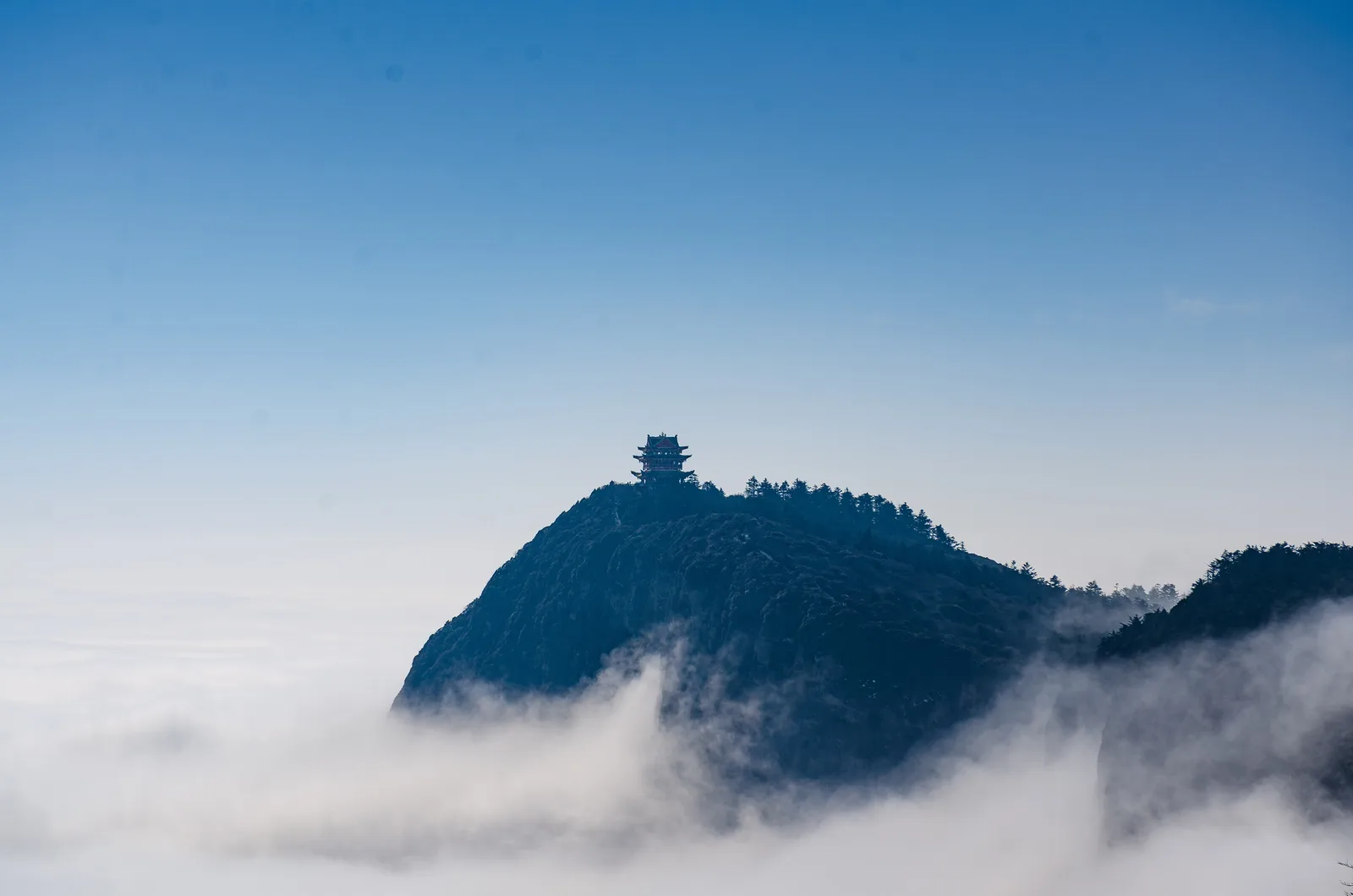
Mount Emei
Emei Shan · Sichuan
Sacred Buddhist mountain — golden temples above the clouds