
Photo: Chinese Mountains
Mount Cangshan
Cang Shan
Nineteen peaks overlooking Erhai Lake and the ancient city of Dali
About Mount Cangshan
Mount Cangshan is the mountain that made Dali famous. Its nineteen peaks stretch 50 kilometers, each above 3,500m, with eighteen streams cascading into Erhai Lake. The Bai people have lived in this valley for over 3,000 years.
Mountain Facts
Cultural Significance
Mount Cangshan was sacred to the Bai people of Dali long before Buddhism arrived. During the Nanzhao and Dali kingdoms (8th-13th centuries), its slopes became one of the most important Buddhist centers in southwest China — the famous Three Pagodas of Chongsheng Temple sit at its base, and more than a dozen monasteries once dotted its ravines. The range also enters Chinese literature through Xu Xiake's Travels, whose author spent weeks exploring its peaks and springs in 1639, and through the wuxia novel Demi-Gods and Semi-Devils, which made the mountain's fictional martial-arts school famous worldwide. Today the 19 peaks and 18 streams remain the spiritual backdrop of Dali, and the 'Cangshan Snow' pairing with 'Erhai Moon' is one of the four celebrated scenic wonders of the region.
Highlights
- • Ximatan (Washing Horse Pond) cable car — one of the longest in China — lifts you from 2,200m to nearly 4,000m in about 40 minutes, ending beside an alpine lake where legend says Kublai Khan's cavalry watered their horses
- • The Jade Belt Cloud Road, an 18km flat stone path at 2,600m, threads along the mountainside through pines, rhododendrons, and 18 rushing streams — the gentlest way to experience the range
- • Cangshan Snow with Erhai Moon: in winter the white peaks reflect in the lake below, completing Dali's famous 'wind, flower, snow, moon' quartet
- • Alpine rhododendron forests explode into bloom along the upper trails in May, above the cloud line
- • Gantong Temple and Jizhao Nunnery — two quiet Buddhist retreats on the western slopes where monks serve tea to hikers (the nunnery's vegetarian lunch is a local institution)
- • A 3-4 day traverse of the full 19-peak ridgeline for experienced hikers, with bivouac camps and spectacular views of Erhai Lake 2,000m below
When to Go
March to May is the classic season: clear skies, blooming rhododendrons on the upper slopes, and daytime temperatures of 15-25 C in Dali. May in particular pairs the flower season with the famous 'Jade Belt Clouds' — a ribbon of cloud that wraps around the mountainside at 2,600m. June to August is the rainy season: expect afternoon showers and heavy mist, though the rain keeps trails green and the air fresh, and the 3,000m+ upper stations stay pleasantly cool when Dali's streets bake at 28 C+. September to November is the most stable window — crisp air, long visibility, and the best chance of seeing both the peaks and Erhai Lake in one frame. December to February brings the signature Cangshan snow: the summit stays below freezing, trails can be icy, and the Ximatan cable car sometimes closes for wind — but the snow-covered ridgeline above a warm, sunny Dali is one of southwest China's most iconic winter views.
How to Get There
By Air: fly to Dali Airport (DLU) — direct flights from Kunming (about 1 hour), plus connections from Chengdu, Chongqing, and Xi'an; from the airport, a 40-minute taxi to Dali Old Town costs about CNY 80. By Train: the Kunming-Dali high-speed line reaches Dali Station in about 2 hours, and the Lijiang-Dali section adds 1.5 hours from the north; from Dali Station, taxi or bus 8 to the old town (20-30 minutes). Getting to the Mountain: the mountain rises directly behind Dali Old Town — walk or cycle to the foot in 20 minutes, or take bus 4 to the cable car stations. Three cable cars serve different routes: the Gantong line (south) climbs to the Jade Belt Cloud Road; the Zhonghe line (center) is the gentlest, for forest walks; and the Ximatan line (north) is the big one, rising to 3,900m with the ridge walk and alpine lake. Entry fee is CNY 40 for the national park; the Ximatan cable car is CNY 335 round trip, the others roughly CNY 120. Reserve Ximatan tickets online in summer and Golden Week — capacity is limited at altitude.
Frequently Asked Questions
Which cable car should I take? +
Is altitude sickness a concern? +
Can I hike the full 19 peaks? +
How many days should I plan for Cangshan? +
Does the Ximatan cable car close in winter? +
You May Also Like
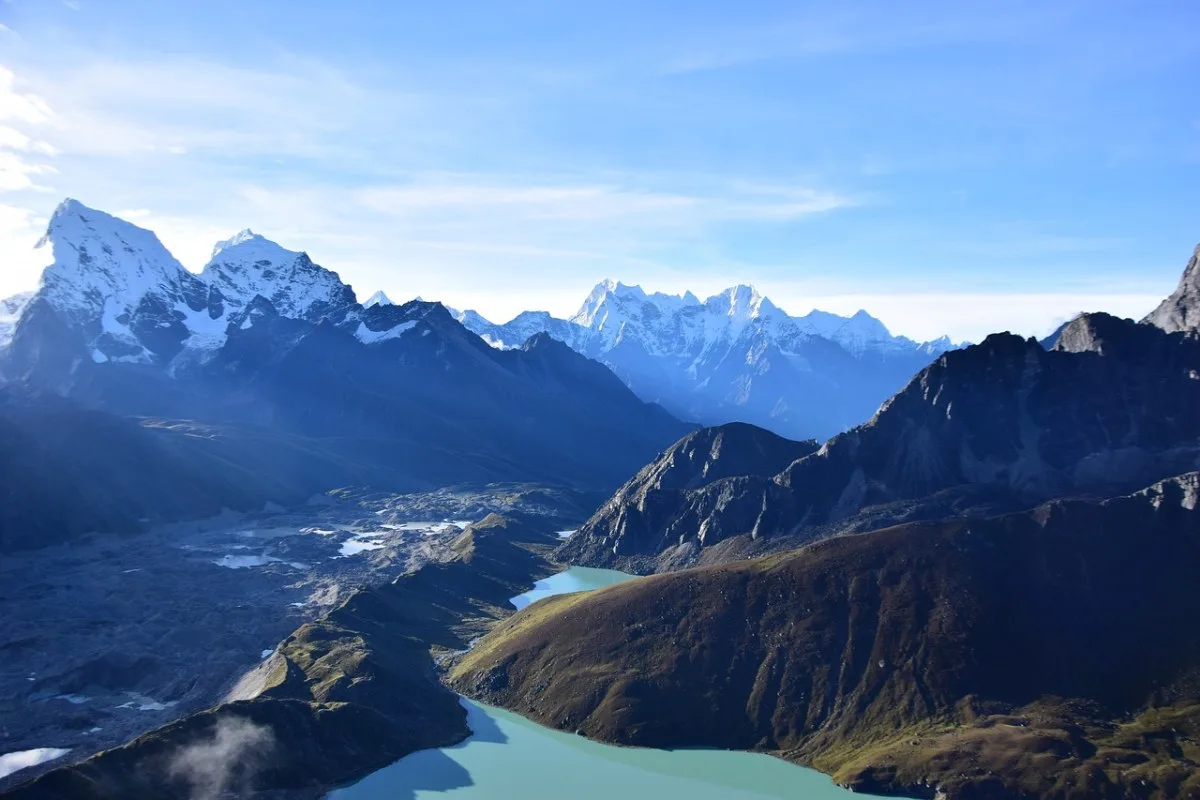
Mount Everest
Qomolangma · Tibet
The roof of the world — stand at the foot of Earth's highest mountain
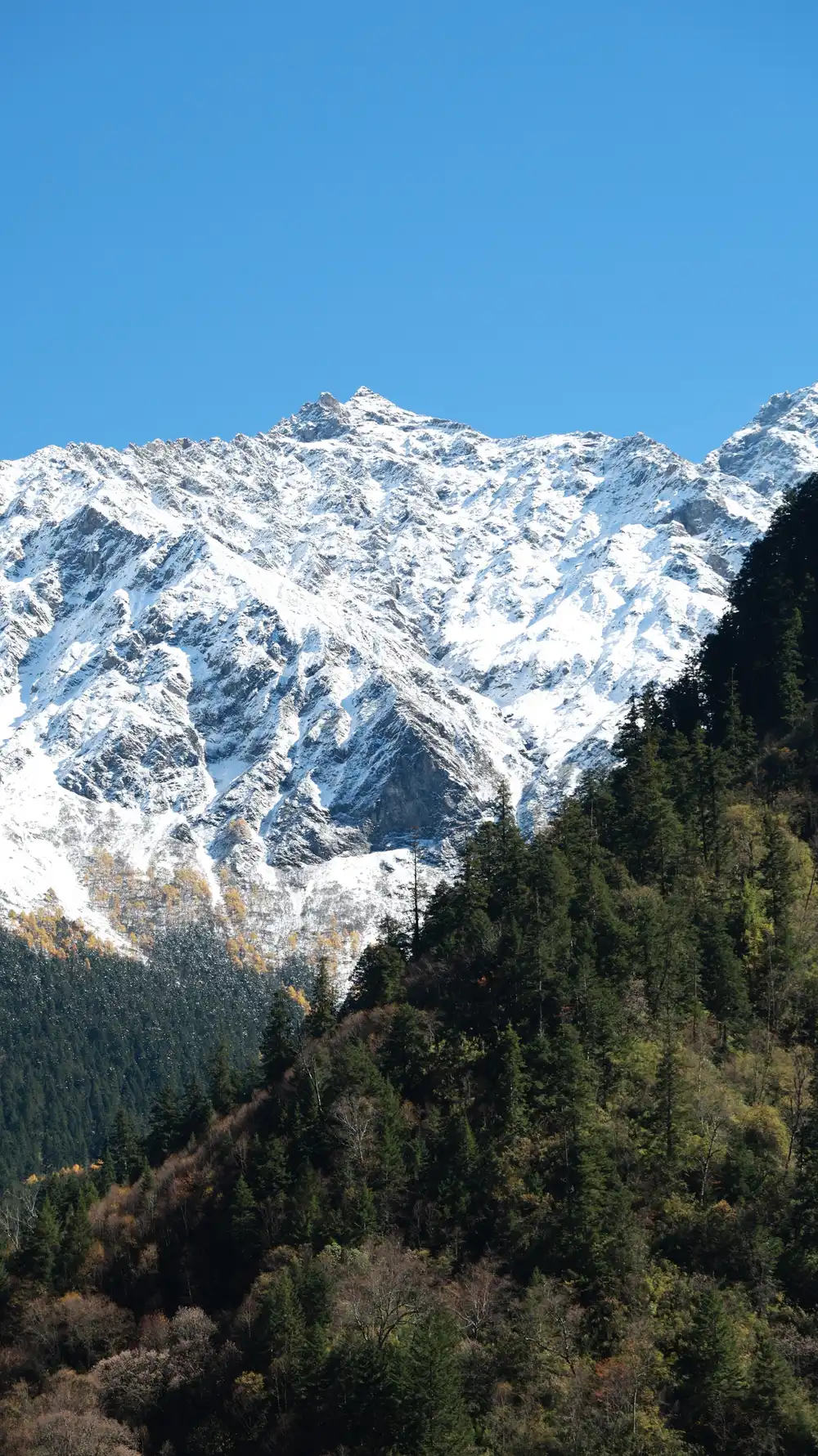
Meili Snow Mountain
Meili Snow Mountain · Yunnan
The sacred unconquered peak — 13 snow summits above a Tibetan valley
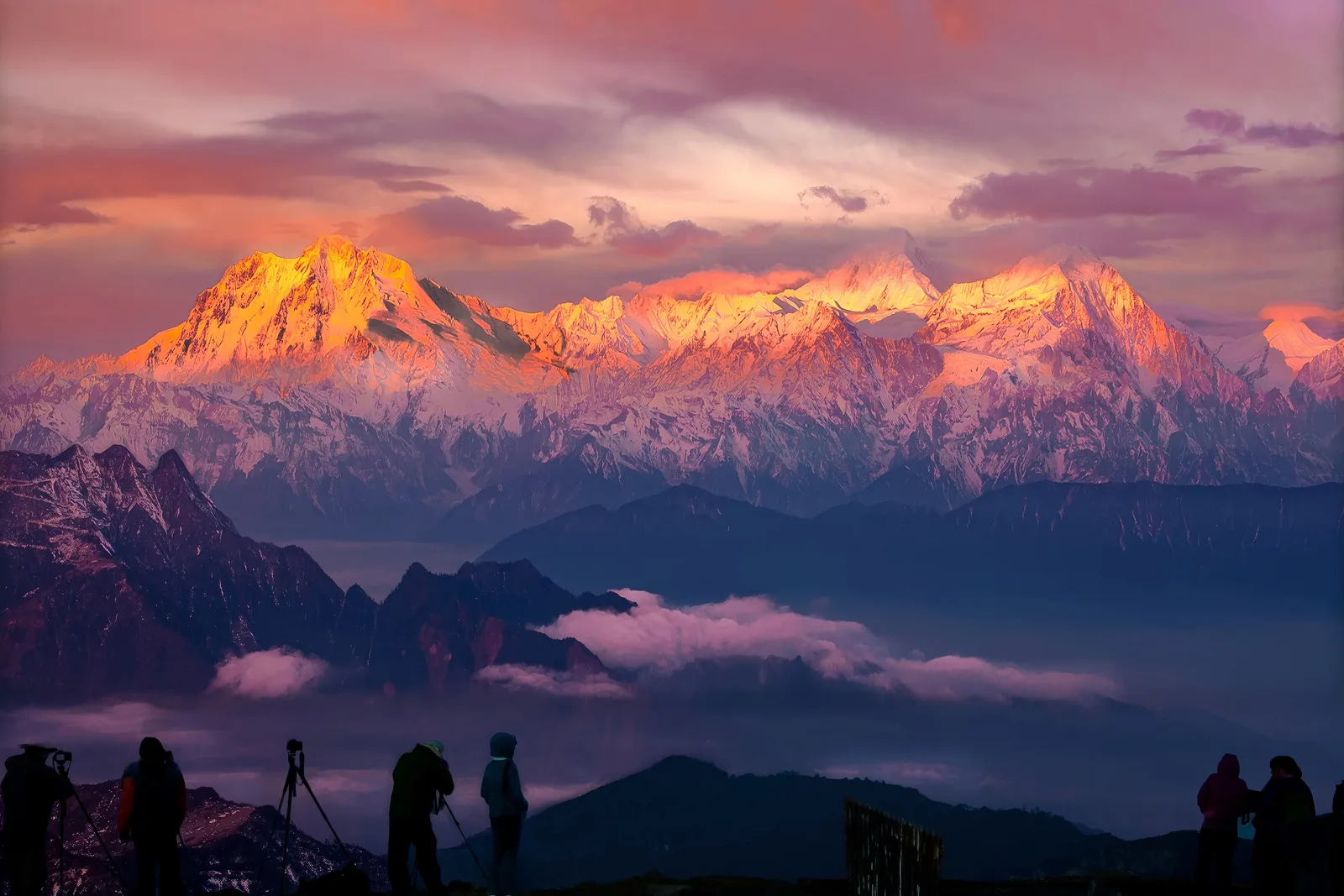
Mount Gongga
Gong Ga Shan · Sichuan
The King of Sichuan mountains — 7,556m of alpine majesty