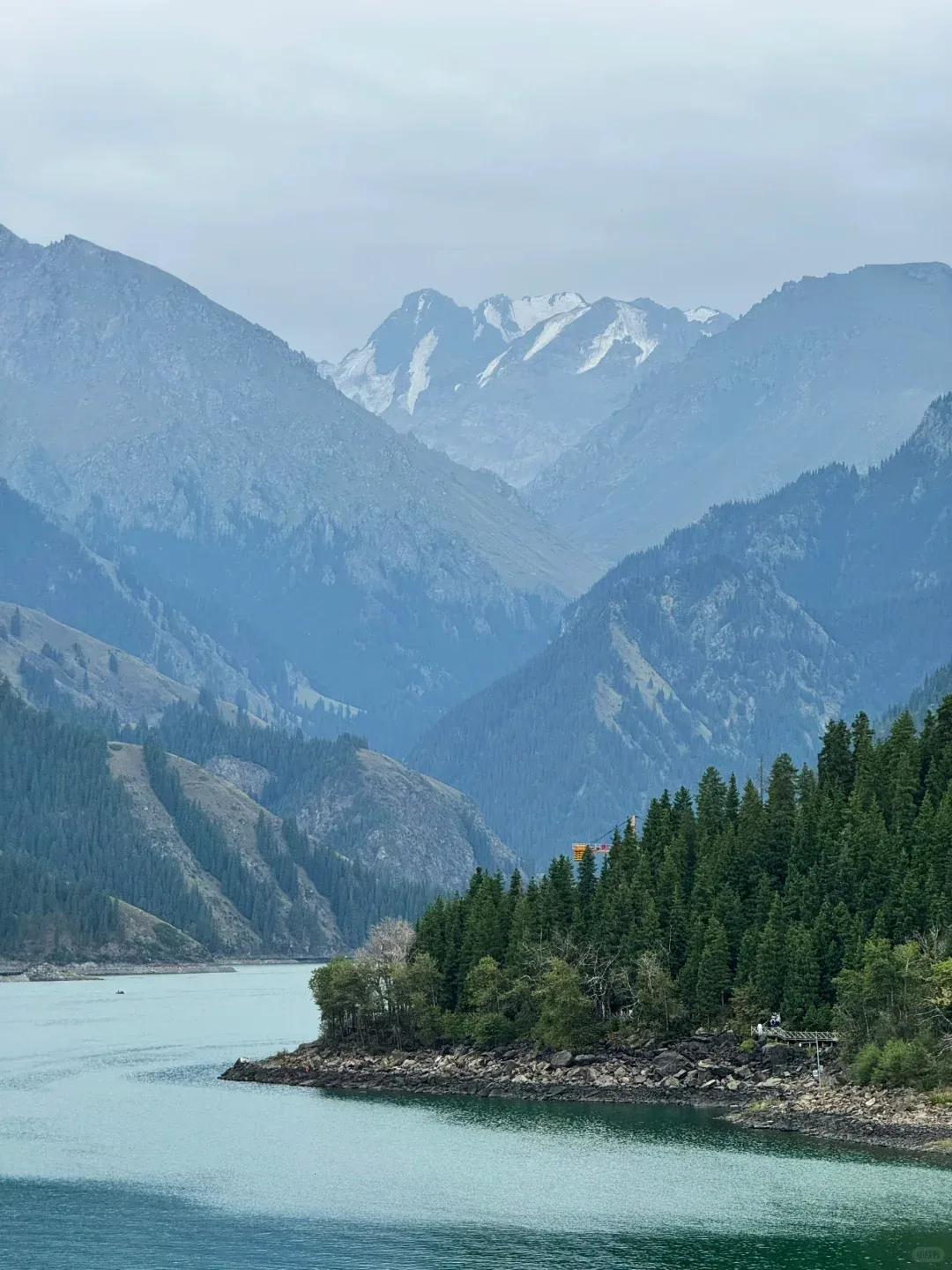
Summer Escapes
Escape the heat at high-altitude refuges, lush alpine valleys, and wildflower meadows. Summer (June-August) opens up China's most remote mountain regions.
Why Summer?
While China"s lowlands swelter in 35 C+ heat, the mountains offer a natural air conditioner. At 2500m+, daytime temperatures hover around 18-25 C. This is the window for accessing China"s most spectacular high-altitude destinations: the Tianshan in Xinjiang, the alpine valleys of western Sichuan, and the remote peaks of Yunnan.
What to Expect
- • Wildflowers in full bloom at alpine meadows (2500-4000m)
- • Long daylight hours — sunrise at 5:30am, sunset after 8pm
- • Monsoon rains in southern and eastern mountains (bring waterproof gear)
- • Peak domestic tourism season — book accommodations early
Packing Tips
- • Sun protection: SPF 50+, wide-brim hat, UV-blocking sunglasses
- • Quick-dry hiking clothes and reliable rain gear
- • Hydration system — summer hiking demands 3-4L per day
- • Insect repellent for lower elevations
Why Trust Our Picks?
Summer mountain selection is about altitude. We prioritize peaks above 2500m where temperatures stay comfortable, and note which ones offer tree cover or cable cars for relief on particularly hot days.
Mountains for This Trip (14)
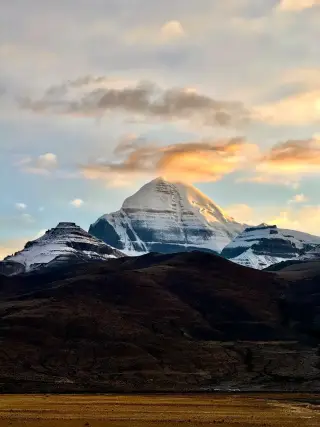
Mount Kailash
Gang Rinpoche · Tibet
The most sacred mountain on Earth — worshipped by a billion people, climbed by none

Mount Gongga
Gong Ga Shan · Sichuan
The King of Sichuan mountains — 7,556m of alpine majesty
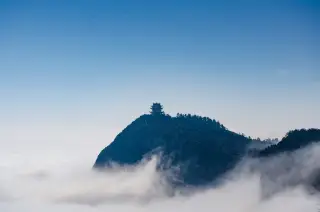
Mount Emei
Emei Shan · Sichuan
Sacred Buddhist mountain — golden temples above the clouds
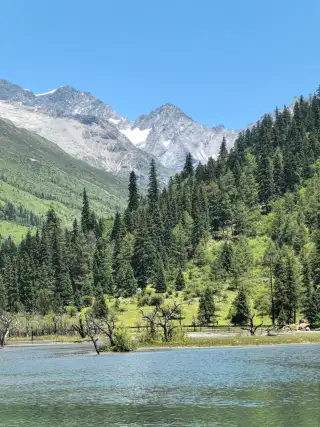
Mount Siguniang
Siguniang Shan · Sichuan
The Alps of the East — four towering sisters above Tibetan grasslands

Tianshan Mountains
Tianshan · Xinjiang
The Heavenly Mountains along the ancient Silk Road
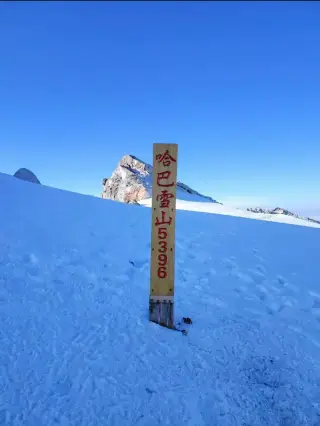
Haba Snow Mountain
Haba Xue Shan · Yunnan
Accessible 5,396m peak — the perfect first Himalayan climb
+8 more mountains match this guide. Explore all
More Travel Guides
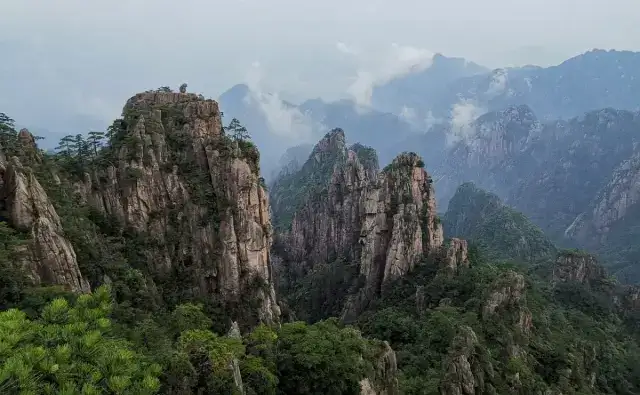
Spring Peaks
Azaleas in bloom, fresh green foliage, and mild temperatures make spring (March-May) enchanting for mountain travel in China — with fewer crowds than autumn.
Autumn Gold
Crisp air, golden foliage, and the clearest mountain views of the year. September through November is the best season for Chinese mountain photography.
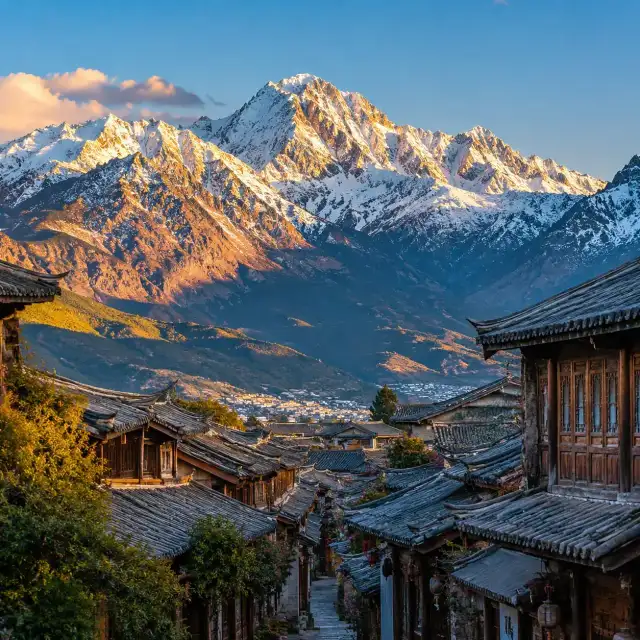
Winter Wonder
Snow-dusted temples, frozen waterfalls, empty trails, and rime ice on pines. Winter (December-February) transforms China's mountains into ink paintings.
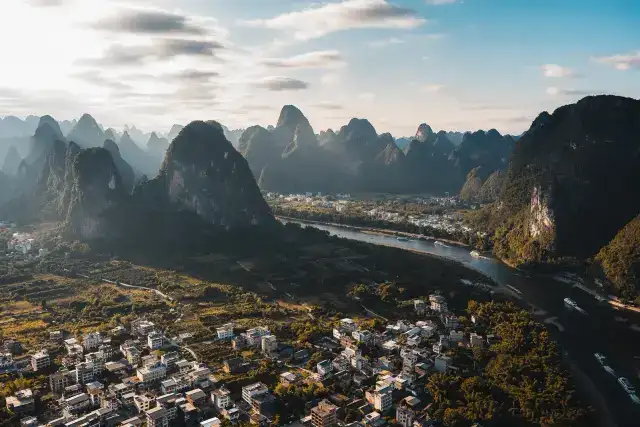
First-Timer"s Guide
Never visited a Chinese mountain? Start here. The most accessible, rewarding peaks for first-time visitors — world-class scenery without extreme exertion.
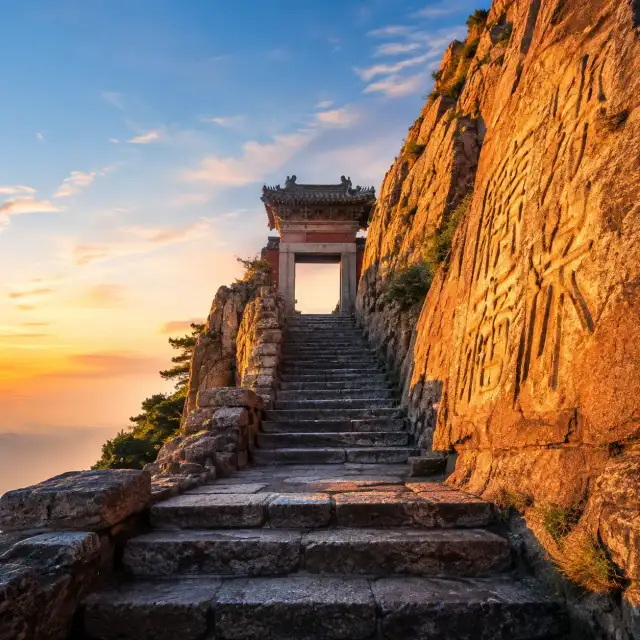
Family-Friendly Peaks
Cable cars, gentle paths, manageable altitudes, and enough excitement to keep kids engaged. These mountains welcome travelers of all ages and fitness levels.