Photo: Pexels
Guilin Karst Mountains
Guilin Landscape
China's most famous landscape — karst peaks reflected in the Li River
About Guilin Karst Mountains
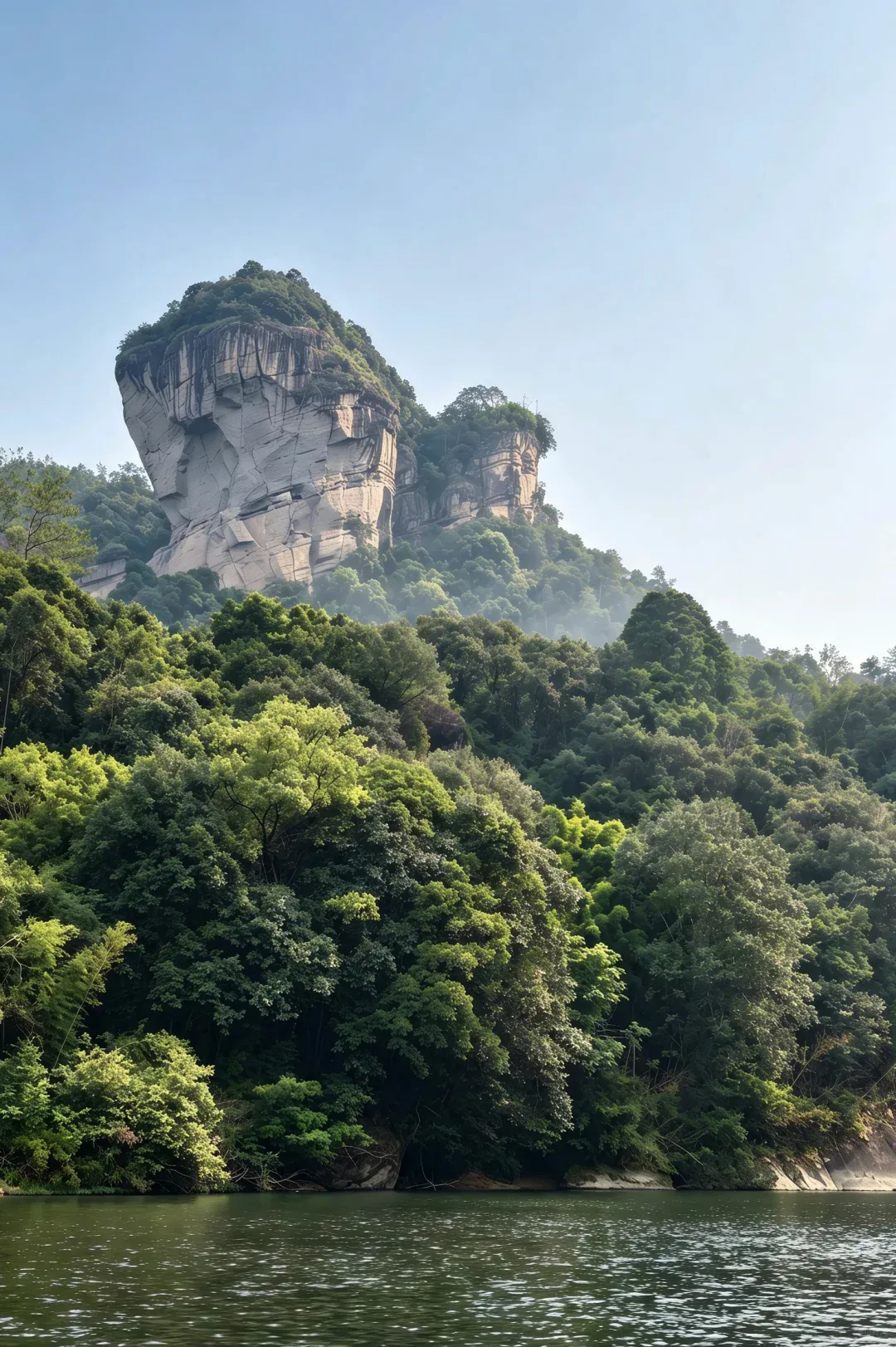
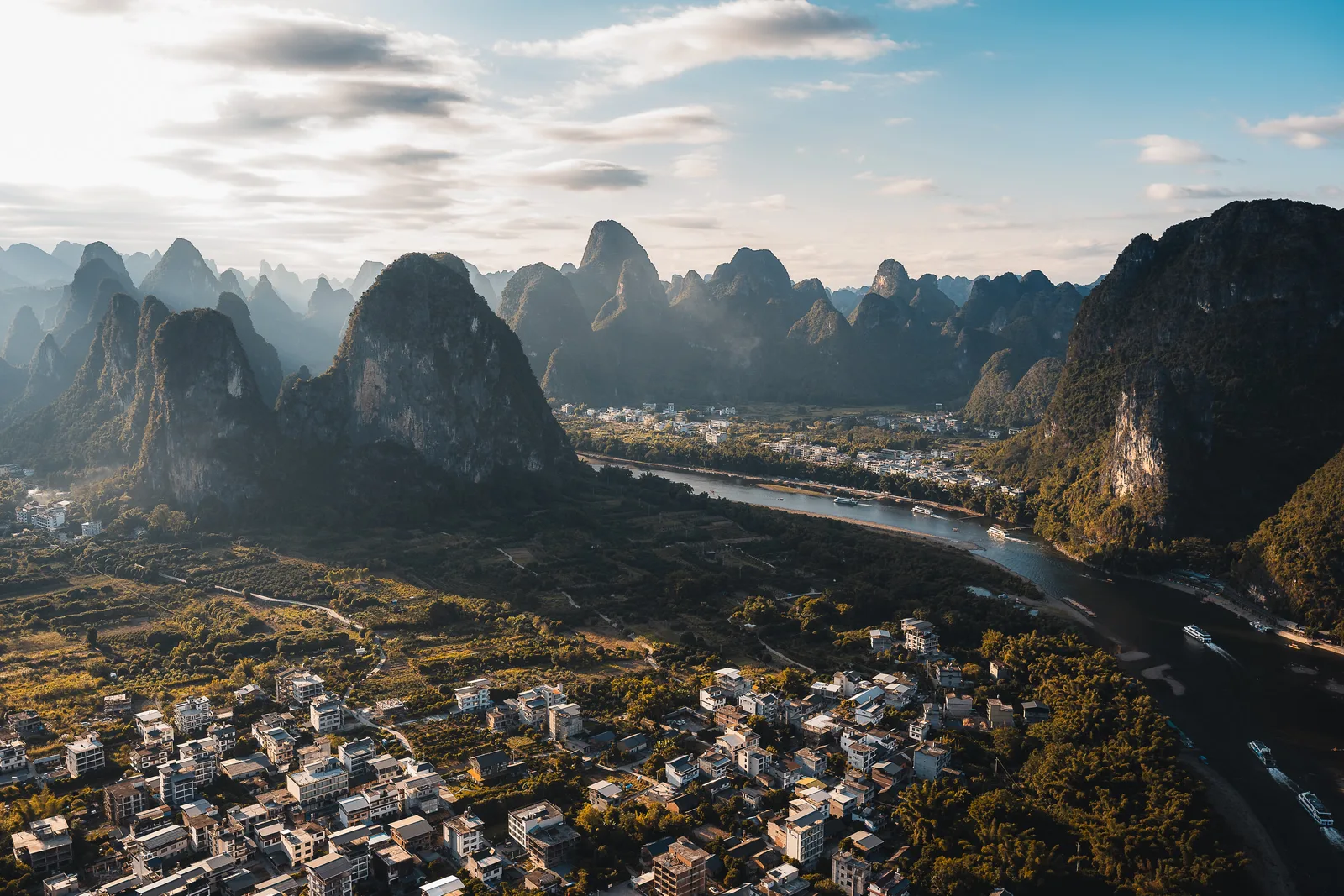
The Guilin Karst landscape in Guangxi Province represents one of the most recognizable and influential natural scenes in human culture. Unlike a single mountain, Guilin is a region where thousands of limestone karst peaks — needle-sharp, cone-shaped, or rounded like camel humps — rise abruptly from the flat valley of the Li River. This landscape is the literal embodiment of classical Chinese painting: mist-shrouded peaks receding in layer after layer, each fainter than the last, with bamboo groves and rice paddies filling the spaces between. The region's geology dates back 300 million years, when this area lay beneath a warm shallow sea. Countless generations of marine organisms deposited calcium carbonate shells that eventually compressed into limestone, which rainwater — slightly acidic from dissolved carbon dioxide — has been sculpting ever since. The Li River cruise from Guilin to Yangshuo (83km, 4-5 hours) is the classic way to experience the landscape, passing the famous scenes printed on the back of China's 20-yuan banknote. But the real magic is in the details: cycling through Yangshuo's back roads as peaks tower above rice paddies, exploring the Reed Flute Cave's illuminated stalactite formations, or watching cormorant fishermen on the Li River at dusk. Guilin was designated a UNESCO World Heritage Site in 2014 as part of the South China Karst. The landscape has shaped not just Chinese art but global perceptions of China — when people imagine 'China,' they are often picturing Guilin.
Mountain Facts
Cultural Significance
The most iconic landscape in Chinese art and poetry, depicted on the 20 RMB banknote.
Highlights
- • Li River cruise to Yangshuo
- • Elephant Trunk Hill
- • Yangshuo countryside cycling
- • Xianggong Mountain viewpoint
- • Reed Flute Cave
When to Go
April-May and September-November are the classic windows. Spring (March-May): the Li River runs full, rice terraces at Longji are flooded for planting (April-May — the mirror effect is stunning), and the karst peaks wear fresh green. Temperatures 15-28 C. Summer (June-August): hot (28-35 C) and humid with frequent showers; the river stays scenic but mornings are best for photos, and the famous 'misty karst' look is most likely after rain. Autumn (September-November): the clearest air of the year, golden rice terraces, and comfortable 18-28 C — the best season for photography and cycling the Yulong River valley. Winter (December-February): mild (8-15 C) and quiet, with occasional fog days when the peaks float like ink-wash paintings; boat traffic on the Li River is reduced and some cruises run shorter routes.
How to Get There
By Air: Fly to Guilin Liangjiang International Airport (KWL) — direct flights from Beijing (3h), Shanghai (2.5h), Guangzhou (1.5h), and most major Chinese cities. From the airport, a taxi to downtown Guilin costs about CNY 100-150 (40 min). By High-Speed Train: Guilin North Station is on the Beijing-Guangzhou high-speed line (2.5h from Guangzhou, 5h from Changsha). Guilin West and Guilin stations also serve regional lines. The classic route: From Guilin, take a 4-star Li River cruise to Yangshuo (4-5 hours, CNY 300-400) or the high-speed train (30 min). In Yangshuo, rent an e-bike (CNY 50-100/day) to explore the Yulong River valley and countryside. For Longji Rice Terraces, take a bus from Guilin Bus Station to Ping'an Village or Dazhai (2-3 hours, CNY 50-80). Entry Fee: Li River cruise tickets vary by boat class; Xianggong Hill viewpoint CNY 60; Longji terraces CNY 80.