Ultimate China Mountain Photography Guide: Best Locations, Seasons & Techniques
From Huangshan's sea of clouds to Zhangye's rainbow layers — where to shoot, when to go, what gear to bring, and how to capture the shot that makes people ask if that photo is real.
Chinese mountains are among the most photogenic landscapes on Earth — and among the most challenging to photograph well. Fog rolls in without warning. Crowds photobomb your sunrise composition. The mountain you drove eight hours to shoot hides behind clouds for three days straight. This guide covers the best locations, optimal seasons, essential gear, and field-tested techniques for capturing images that do justice to these landscapes.
Top 5 Photography Mountains
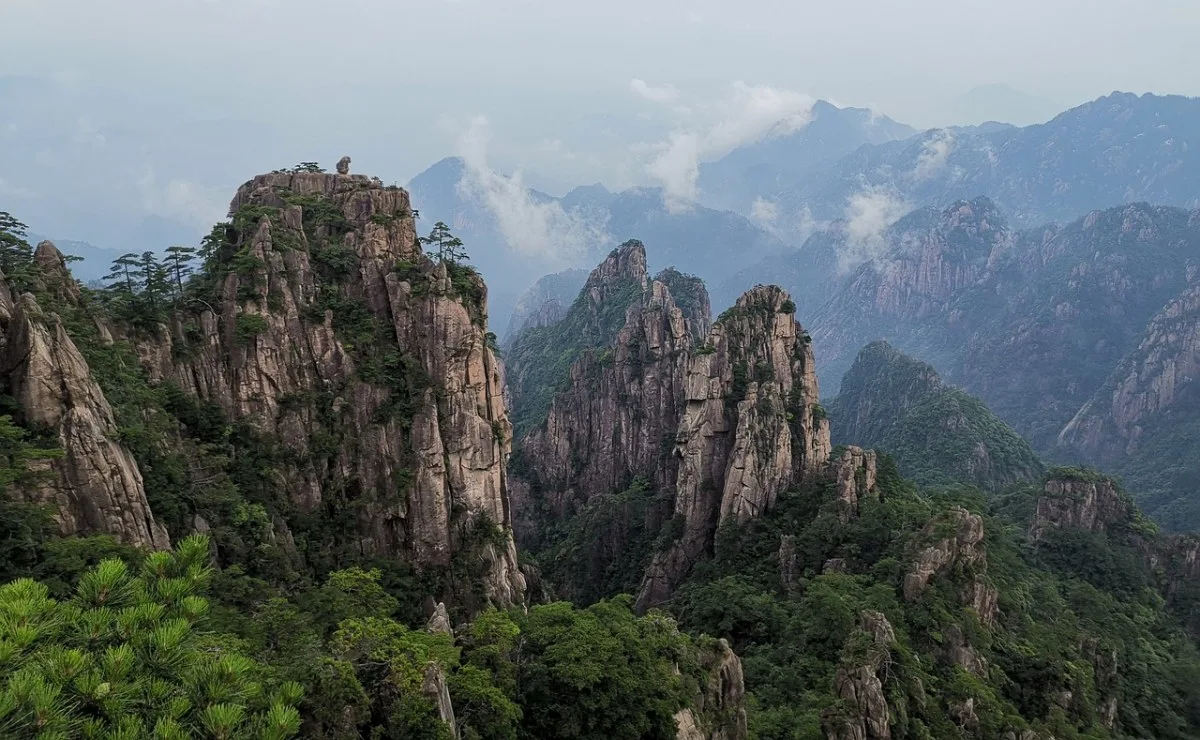
1. Huangshan — The Sea of Clouds
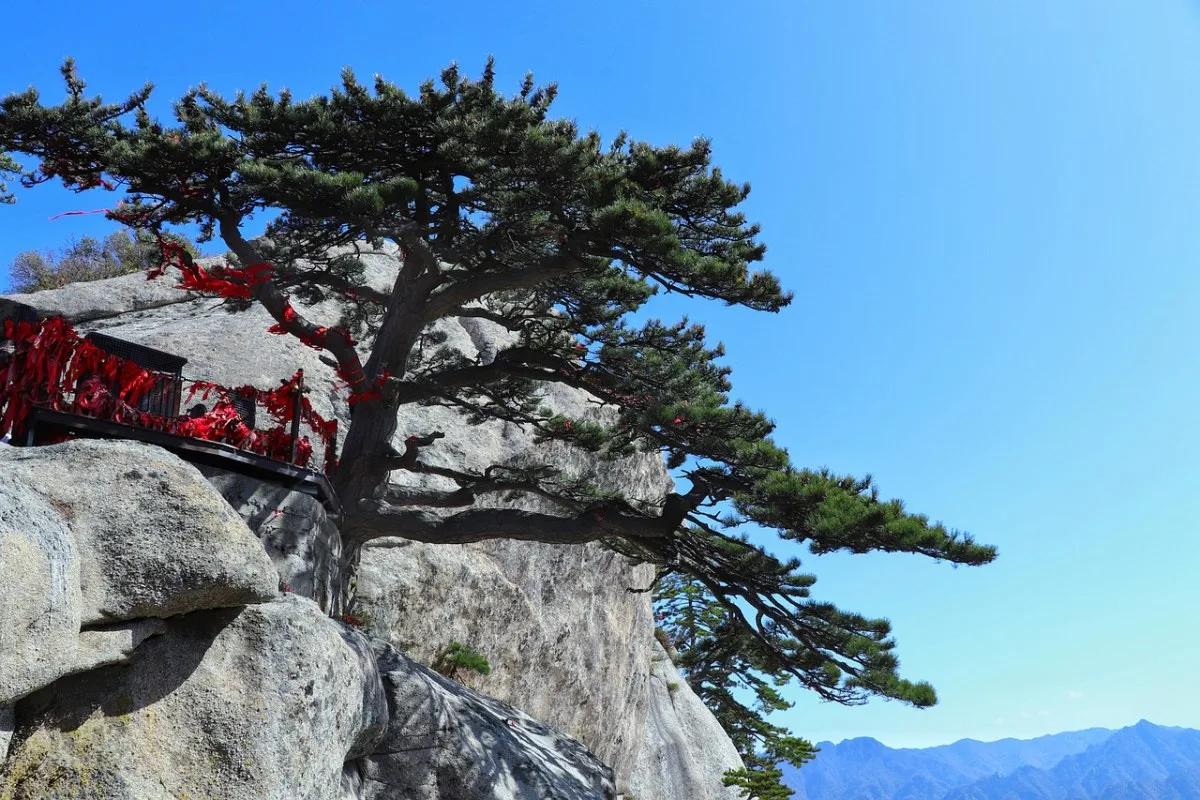
The holy grail of Chinese mountain photography. The sea of clouds phenomenon occurs on clear mornings after cold fronts, most commonly October-November and January-February. Position at Dawn Pavilion by 5:00 AM. Use 24-70mm for the wide scene and 70-200mm to isolate individual spires emerging from mist. The Welcoming Pine at sunrise, shot with a telephoto compressing the background peaks into layered backdrops, is the iconic frame. Stay at a summit hotel so you are already in position before sunrise — cable cars do not start early enough.
2. Zhangye Danxia — Rainbow Mountains
The multicolored rock strata look photoshopped in person. Shoot at golden hour (30 minutes before sunset) when low-angle light intensifies red and orange bands. A polarizing filter reduces glare on rock surfaces and saturates colors. Include the boardwalk and viewing platforms as scale elements. Platform 4 offers the widest panorama. Arrive by 3:00 PM, claim your spot, and wait for the light. Autumn (September-October) offers the clearest air.
3. Meili Snow Mountain — Golden Sunrise
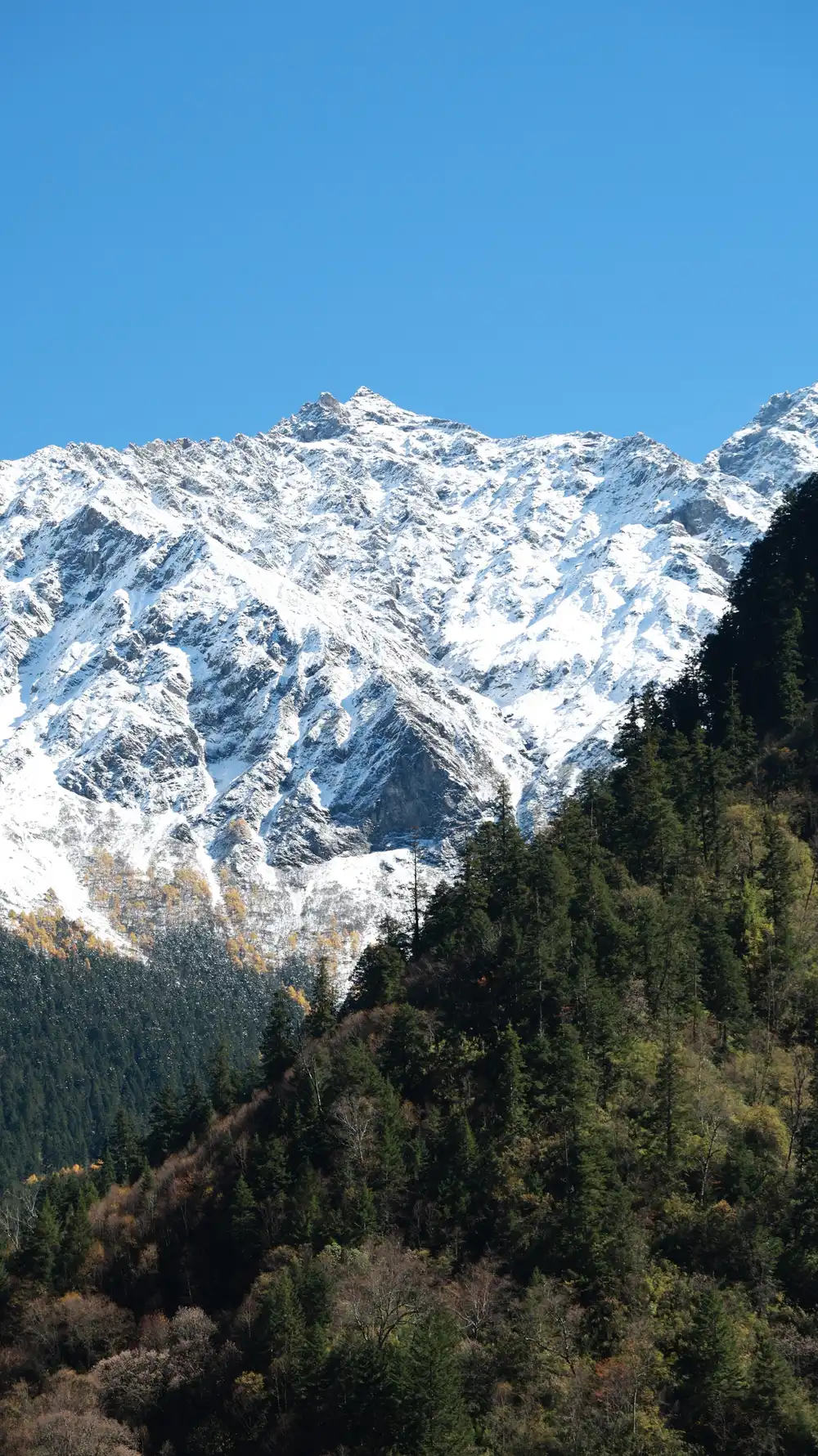
The Golden Mountain effect — first sunlight striking Kawagarbo's ice in gold, rose, and amber — is visible 60-80 days per year, most reliably October-December. Shoot from Feilai Temple viewpoint. A 100-400mm telephoto is essential — you are 20km from a 6,740m peak. Bracket exposures for the extreme contrast between illuminated summit and shadowed valleys. The moment lasts 5-10 minutes when it happens. Do not spend it fumbling with settings.
4. Zhangjiajie — Pillars and Mist
The floating mountain effect requires partial mist. April-May and September-October, arriving at Yuanjiajie by 7:00 AM, offers the best odds. Wide-angle (16-35mm) captures scale; telephoto isolates formations through mist layers. The Tianzi Mountain panorama at sunrise, with hundreds of pillars emerging from clouds, is the definitive Zhangjiajie shot. Bring a rain cover — mountain mist is essentially suspended rain.
5. Guilin/Yangshuo — Karst at Dawn
The classic shot — bamboo rafts on the Li River with karst peaks receding in mist — is best at dawn from the riverbank near Yangshuo. Cormorant fishermen at dusk are staged (negotiate CNY 100-300), but authentic to a centuries-old tradition. For elevation, climb Xianggong Hill (30 min, 250m) for sunrise — the view is the 20-yuan note landscape.
Essential Gear for Mountain Photography
- •Tripod: non-negotiable for pre-dawn exposures of 1-4 seconds.
- •Polarizing filter: the single most useful filter. Cuts haze, saturates foliage, reduces glare on wet rock.
- •Lenses: 16-35mm for wide landscapes, 70-200mm for compressing layered peaks. If you can only bring two, bring these.
- •Rain cover: mountain weather changes in minutes. A simple rainsleeve costs under CNY 50 and saves thousands in gear.
- •Extra batteries: cold summit mornings drain batteries 2-3x faster than normal. Bring at least 3.
- •Lens cloths: mist, waterfall spray, and your breath in cold air will fog your lens constantly. Bring multiple cloths.
The One Tip That Matters Most
Arrive early. At every mountain on this list, the best light is at sunrise, and the best compositions are claimed by 6:00 AM. If you arrive at 9:00 AM, you are not a photographer — you are a tourist with a nice camera. The difference between a good mountain photograph and a great one is almost always waking up at 4:00 AM and being in position before the light arrives. The mountains reward those who sacrifice sleep.